Introduction
This morning, like many winter mornings, I found myself checking the weather forecast, specifically wondering how many inches of snow today would bring. It’s become a ritual of sorts, this daily glance at the precipitation predictions, but today it sparked a different line of thinking. As I stood by the window watching the first flakes begin their gentle descent, my eyes drifted to the folded Takeda outdoor lounge bed leaning against the garage wall. I hadn’t used it since our last camping trip in October, and seeing it there, waiting patiently, made me reflect on how this simple piece of outdoor furniture has quietly reshaped my relationship with nature’s elements, snow included.
Real-life Context
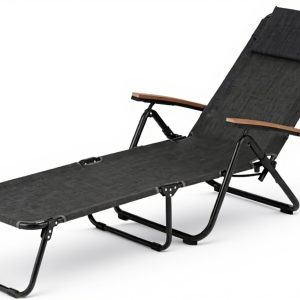
I purchased the Takeda UN5-RC Outdoor Lounge Bed back in early summer, primarily for camping trips with friends. We’re the type of group that plans weekend getaways to state parks, where the days are spent hiking and the evenings gathered around a campfire. For years, I’d made do with folding chairs or just sitting on logs, but the constant shifting and discomfort eventually wore me down. The product description mentioned elbow support and breathable fabric, which sounded appealing after long days on the trail. What I didn’t anticipate was how this lounger would become part of my daily life beyond those planned adventures. Its black steel frame and polyester fabric seemed straightforward enough—a practical solution for outdoor seating. But as the seasons changed, so did my understanding of what “outdoor” could mean.
During the warmer months, the lounge bed found its way to our backyard for evening reading sessions and weekend naps in the sun. Its 23.6 by 77.4 inch dimensions provided just enough space to stretch out fully, something regular chairs never allowed. The elbow support, which I initially thought might be a gimmick, proved essential for propping up a book or tablet without straining my wrists. Friends who visited would often comment on how comfortable it looked, and I’d watch them settle into it with the same sigh of relief I’d come to recognize. It became my go-to spot for quiet moments outdoors, whether that meant watching birds at the feeder or just feeling the breeze on a humid afternoon.
When autumn arrived, I started using it for leaf-peeping in the local park, folding it up and carrying it along on short walks. At 19.7 inches high when set up, it positioned me perfectly for taking in the changing colors without being directly on the damp ground. The foldable design meant I could stash it in the car trunk without much thought, and its sturdy frame held up even on uneven terrain. I began to see its value not just as camping gear but as a versatile piece for any outdoor moment, whether planned or spontaneous. This gradual integration into my routine made the lounger feel less like a specialized tool and more like an extension of how I prefer to experience the world outside my door.
Observation
As winter settled in, I assumed the lounge bed would remain stored away until spring. But today, watching the snow begin to accumulate, I noticed something interesting. The same qualities that made it ideal for summer—portability, stability, comfort—felt equally relevant now, just in different ways. The steel frame, which I’d appreciated for withstanding beach winds and rocky campsites, suddenly seemed like it could handle a snowy backyard just as well. The breathable fabric, so welcome during humid evenings, now struck me as potentially useful for preventing moisture buildup if used briefly in cold conditions. It wasn’t that I planned to lounge in a blizzard, but the boundaries between “outdoor seasons” started to blur in my mind.
I thought back to last week, when I’d taken the lounger out during a light snowfall to test this theory. The foldable mechanism worked moothly even with gloved hands, and the frame remained stable on the thin layer of white. Sitting there for just ten minutes, wrapped in a blanket, I watched the world quiet down under the falling snow. The elbow support kept my arms comfortable as I held a warm drink, and the height kept me off the cold ground. It was a small moment, but it shifted my perspective. This wasn’t about braving the elements recklessly; it was about finding comfort within them, however briefly.
Comparing it to other outdoor furniture I’ve owned, the Takeda lounger stands out for its adaptability. Traditional camping chairs often feel cramped after an hour, and beach loungers can be too bulky for quick trips. At 77.4 inches long, this one offers full-body support without taking up excessive space when folded. The denim blue color option might have been more visible against snow, but the black version I chose blends into most environments, which I’ve come to prefer for its unobtrusive presence. Observing how it performs across different settings has taught me that good outdoor gear doesn’t just serve one purpose—it invites you to reconsider what’s possible in each season.
Reflection
I didn’t realize at the time that purchasing this lounge bed would influence how I engage with weather patterns beyond just temperature or sunshine. The question of how many inches of snow today takes on new meaning when you have a comfortable place to experience it firsthand, even if only for short periods. It’s less about the product itself and more about how it enables a different relationship with the outdoors—one where comfort and observation coexist. The durable steel frame isn’t just for longevity; it’s what allows me to trust the lounger on frosty grass or damp soil without second-guessing its stability.
Reflecting on the product’s specifications, I see now how each feature contributes to this flexibility. The 23.6-inch width provides enough room to move slightly without feeling confined, which matters more in colder weather when layers of clothing add bulk. The polyester fabric, while breathable, also dries quickly if exposed to light precipitation, a detail I appreciate during unexpected flurries. Even the weight capacity, which I never push to its limits, gives me confidence that the lounger will remain reliable across varied uses. These aren’t just selling points; they’re practical elements that support genuine outdoor immersion, regardless of the forecast.
This realization extends beyond personal comfort to how we perceive outdoor recreation. Often, we compartmentalize activities by season—camping in summer, skiing in winter—but the Takeda lounger reminds me that boundaries can be softer. Its design, focused on portability and ease, encourages spontaneous moments outside, whether that’s watching snowfall or listening to autumn leaves rustle. The integrated elbow support, which seemed minor initially, now feels like a thoughtful touch that reduces physical strain during longer periods of observation. It’s these small, human-centered details that transform a functional item into something that enhances daily life subtly but significantly.
I’ve also thought about the target audience described in the product details—outdoor enthusiasts, campers, families. While I fit some of those categories, I now see how the lounger appeals to anyone seeking comfort in nature, regardless of their activity level. Its value isn’t tied to ambitious adventures but to the quiet moments we carve out for ourselves outdoors. This aligns with what I suspect is the brand’s deeper intention: to make outdoor relaxation accessible and enjoyable, not just functional. By designing furniture that supports both active use and passive relaxation, they’ve created something that adapts to the user’s lifestyle rather than demanding adaptation to the product.
Conclusion
So when I check tomorrow’s forecast and wonder again about how many inches of snow today might bring, I’ll do so with a renewed appreciation for the tools that make outdoor moments more comfortable. The Takeda outdoor lounge bed has become more than a seasonal accessory; it’s a reminder that well-designed outdoor gear can extend our enjoyment of nature across changing conditions. Its sturdy frame, foldable design, and thoughtful features like elbow support contribute to a experience that feels both practical and personal. Whether used for camping, beach trips, or brief snowy respites, it demonstrates how comfort and portability can coexist in outdoor furniture.
Looking ahead, I imagine this lounger will continue to accompany me through various weather patterns and settings. Its versatility has proven valuable not just for planned outings but for impulsive decisions to spend time outside, whatever the season. The question of how many inches of snow today matters less than having a comfortable place to observe it, even briefly. And in that sense, the lounger has achieved something beyond its stated purpose: it’s helped me rediscover the simple pleasure of being outdoors, comfortably and on my own terms, regardless of what the weather brings.