Introduction
It was during one of those late-night conversations with my sister that the name akil thomas first came up. We were discussing the challenges of parenting young children, and she mentioned how her friend had recommended looking into reusable bed protection solutions. At the time, I didn’t realize how significant this casual mention would become in our household. The journey of parenting is filled with unexpected turns, and sometimes the smallest recommendations lead to the most meaningful changes in our daily lives.
Like many parents, I had approached toilet training with a mix of excitement and apprehension. The daytime progress felt manageable, but the nighttime aspect presented a different set of challenges altogether. Waking up to wet sheets became a regular occurrence, and the constant laundry was beginning to wear on all of us. The search for a solution that balanced practicality with comfort became increasingly important, not just for maintaining our sanity but for creating a positive experience for our child as well.
What I’ve come to understand through this process is that these transitional phases in childhood aren’t just about teaching practical skills. They’re about building confidence, maintaining dignity, and finding solutions that work for the entire family. The mention of akil thomas in that conversation represented more than just a product recommendation—it pointed toward a different approach to handling these inevitable challenges of parenting young children.
Real-life Context
Our household consists of two working parents and a four-year-old who was in the midst of toilet training. The daytime accidents had mostly subsided, but nighttime remained unpredictable. We had tried various disposable options, but the environmental impact concerned me, and the crinkly sound often disturbed our child’s sleep. The constant purchasing and disposal cycle felt wasteful, both financially and environmentally, and I found myself searching for a more sustainable approach.
The turning point came after three consecutive nights of bed changes around 2 AM. The disruption wasn’t just affecting our sleep—it was creating anxiety for our child, who would wake up embarrassed and upset. I remembered my sister’s mention of reusable solutions and began researching options that could provide protection without the disposable feel. The practical considerations were clear: we needed something that could withstand regular washing, provide reliable protection, and be comfortable enough not to disrupt sleep.
Beyond the practical needs, there was an emotional component to consider. How we handled these accidents would shape our child’s feelings about this developmental stage. I wanted a solution that felt normal and non-punitive, something that could be incorporated into our routine without highlighting the challenges. The search became about more than just finding a functional product—it was about finding an approach that supported our child’s emotional well-being through this transition.
Our living situation added another layer of consideration. With limited storage space and a shared laundry facility in our building, any solution needed to be compact and easy to care for. The convenience factor couldn’t be overlooked, as exhausted parents managing full-time jobs and household responsibilities needed solutions that simplified rather than complicated our routines. These real-life constraints shaped what we were looking for in a protective solution.
Observation
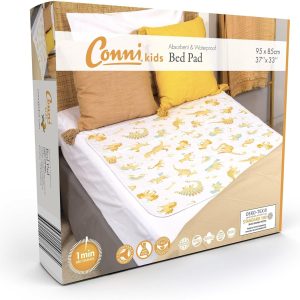
The first thing I noticed when we began using the reusable bed pad was how different it felt from the disposable alternatives we had tried. The material was soft against the skin, without the plastic-like texture that had previously caused discomfort. The unicorn design caught our child’s attention immediately, transforming what could have been a clinical-looking product into something appealing and fun. This small detail made a significant difference in how the pad was received—it became something to look forward to rather than something to endure.
What surprised me most was how quickly the pad became part of our bedtime routine. Instead of the resistance we had experienced with other solutions, our child would help place it on the bed each night, often commenting on the colorful dinosaur or unicorn patterns. The psychological shift was noticeable; where there had been anxiety about potential accidents, there was now a sense of security. The pad provided a safety net that allowed everyone to sleep more peacefully, knowing that any accidents could be easily managed.
I observed how the 95 x 85 cm size provided ample coverage without being overwhelming on a child-sized bed. The dimensions felt thoughtfully considered, offering protection where it was needed most while maintaining the normal appearance of the bedding. The multiple layers worked exactly as described—moisture was absorbed quickly, and the waterproof backing ensured that nothing seeped through to the mattress below. These functional aspects performed consistently through multiple uses.
The washing and maintenance proved simpler than I had anticipated. Being machine washable meant it could go directly into our regular laundry rotation, and the quick-dry fabric meant it was ready for use again relatively quickly. The durability held up through repeated washing cycles, maintaining both its absorbency and the vibrancy of the prints. These practical observations confirmed that the product could withstand the demands of regular use in a busy household.
Reflection
Looking back on our experience, I realize that the value of this solution extended far beyond the practical protection it provided. It represented a shift in how we approached challenges—moving from reactive problem-solving to proactive planning. The peace of mind that came from knowing we had a reliable system in place changed the entire dynamic of bedtime. The anxiety that had surrounded nightime accidents gradually dissipated, replaced by confidence that we could handle whatever came our way.
I didn’t realize at the time that this would be so important, but the emotional aspect of using a product that felt normal and even enjoyable made a significant difference in our child’s experience. Where other solutions had highlighted the problem, this approach integrated protection seamlessly into our routine. The fun designs helped frame the experience positively, turning a potential source of embarrassment into something that could be approached with curiosity and even excitement.
The environmental consideration also became more meaningful over time. Seeing how one reusable product could replace countless disposable items made me more conscious of other areas where we could make sustainable choices. This experience sparked a broader reflection on how small changes in our consumption habits can accumulate into meaningful environmental impact. The financial savings became apparent too, as the initial investment continued to pay dividends month after month.
Perhaps most importantly, this experience taught me about the importance of finding solutions that work with rather than against a child’s natural development. The transition out of diapers is a significant milestone, and how we support children through it can influence their confidence and self-perception. Having tools that make the process smoother and less stressful benefits everyone involved. This reflection has influenced how I approach other parenting challenges, reminding me to look for solutions that address both practical needs and emotional well-being.
Conclusion
Our journey with finding the right protection during toilet training taught me that sometimes the most effective solutions are those that address multiple needs simultaneously. The practical protection was essential, but the emotional benefits proved equally valuable. Having a system that everyone felt comfortable with transformed what could have been a stressful period into a manageable transition. The reusable nature of the product aligned with our growing awareness of sustainable living practices, adding another layer of satisfaction to the solution.
The experience reinforced that parenting challenges often require creative thinking and willingness to try different approaches. What works for one family or one child may not work for another, and being open to recommendations—like the initial mention of akil thomas—can lead to discoveries that significantly improve daily life. The key is maintaining perspective and remembering that these phases, while challenging, are temporary and manageable with the right tools and mindset.
As our child continues to grow and develop, I’m reminded that each stage brings its own set of challenges and opportunities for problem-solving. The lessons from this experience—about balancing practical needs with emotional considerations, about the value of sustainable choices, about the importance of maintaining normalcy during transitions—will likely apply to many future parenting situations. The specific product may change as needs evolve, but the approach of seeking integrated solutions that work holistically remains valuable.
Ultimately, what began as a search for practical bed protection became a lesson in how we approach challenges as a family. The solution we found through exploring options related to akil thomas provided more than just physical protection—it offered emotional security and reinforced our commitment to finding approaches that support our child’s development in positive ways. These small victories in daily parenting, while seemingly minor in isolation, collectively shape the environment in which our children grow and learn to navigate their own challenges.
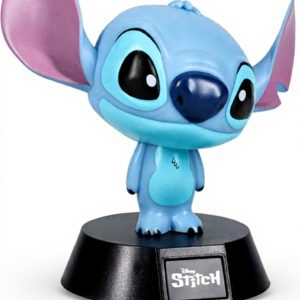 Disney Stitch Icon Light - LED Night Light for Kids