Introduction
I remember sitting on the edge of my daughter’s bed one evening, watching her sleep peacefully while worrying about the inevitable midnight accidents that had become our new normal. The transition from diapers to independent bathroom use felt like navigating uncharted waters, filled with both proud milestones and unexpected challenges. Like many parents searching for kelly osbourne | navy federal solutions, I found myself researching practical ways to make this phase smoother for everyone involved. The constant laundry cycles and mattress cleaning had started to wear on me, and I knew we needed a better system that could protect our investments while supporting my child’s growing independence.
There’s something uniquely challenging about the potty training phase that nobody quite prepares you for during those early parenting classes. You celebrate the daytime successes, the proud moments when your child remembers to use the toilet, but the nighttime presents a different set of considerations entirely. I found myself torn between wanting to encourage my daughter’s autonomy and the practical reality of protecting her mattress from inevitable accidents. The search for solutions led me down various paths, from disposable pads to plastic covers, each with their own compromises between protection, comfort, and environmental considerations.
What struck me most during this period was how much of parenting involves these balancing acts between practical concerns and emotional support. We want our children to feel confident and capable while also ensuring their comfort and maintaining our household essentials. The mattress in my daughter’s room had become a symbol of this tension – something we needed to protect without making her feel like we didn’t trust her growing capabilities. This is where the journey toward finding the right protective solution began, not just as a practical purchase but as part of creating an environment that supported her development.
Real-life Context
Our household operates on the kind of schedule that many families would recognize – mornings rushing to get everyone ready, evenings spent navigating homework and dinner preparations, and nights hoping for uninterrupted sleep. When potty training entered the picture, it added another layer of complexity to our already full days. My daughter, like most children her age, was excited about this new milestone but still learning to recognize her body’s signals, especially during sleep when conscious control diminishes. The accidents weren’t failures but natural parts of the learning process, though they came with practical consequences for our home.
The mattress in her room was relatively new, something we had invested in specifically for her transition to a big-girl bed. Watching it become vulnerable to repeated moisture exposure created genuine concern about longevity and hygiene. I tried various temporary solutions initially – layering towels, using disposable pads, even attempting homemade protective covers from shower curtains. Each option had its drawbacks, from the discomfort of plastic directly against skin to the environmental waste of disposable products, not to mention the middle-of-the-night changes that disrupted everyone’s sleep.
What became clear through trial and error was that we needed something that could integrate seamlessly into our existing routine rather than creating additional work. The middle-of-the-night cleanups were exhausting for me and disruptive for my daughter, who would often wake fully during the process and struggle to return to sleep. I started paying closer attention to how different protective options affected her comfort and sleep quality, realizing that the solution needed to work for both of us – protecting the mattress while allowing her to rest comfortably through the night, accident or not.
During this period, I also noticed how my daughter responded to different materials and textures. She had definite preferences about what felt comfortable against her skin, and anything that felt too plastic or crinkly would bother her enough to affect her sleep. This sensitivity meant that finding the right balance between protection and comfort became even more important. I began looking for solutions that acknowledged children’s sensory needs while providing the practical protection parents require, understanding that both elements were essential for making this developmental stage successful.
Observation
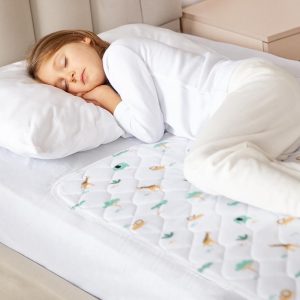
The first night we used the Lynmark protector, I’ll admit I watched the monitor more closely than usual, half-expecting to hear the familiar crinkling sounds of plastic covers or to find my daughter uncomfortable. What surprised me was how seamlessly it integrated into her existing bedding – the non-slip backing kept it securely in place without any shifting, and the soft top layer blended with her regular sheets. When she did have an accident that first week, the protection held without any leakage to the mattress beneath, and the cleanup proved remarkably straightforward compared to our previous methods.
Over subsequent weeks, I began noticing subtle ways this solution affected our potty training journey beyond just the practical protection. My daughter seemed more relaxed at bedtime, no longer expressing anxiety about potential accidents since she knew her bed would stay dry and comfortable. The psychological impact of this security surprised me – she began approaching potty training with more confidence during the day, perhaps because the nighttime pressure had diminished. The protector’s various pattern options also became part of her bedtime routine, with her choosing which design to use based on her mood that evening.
I observed how the multi-layered construction handled moisture differently than previous solutions we had tried. The absorbent core managed liquid effectively without creating that damp feeling that often wakes children, allowing my daughter to sleep through the night even when accidents occurred. The waterproof barrier provided genuine protection for the mattress while remaining breathable enough not to trap heat, addressing one of my concerns about plastic covers. The 35″ x 33″ dimensions covered her toddler bed completely without excess material that could bunch or create discomfort.
What stood out most was how this product fit into the broader context of our lives rather than requiring special accommodation. When we traveled to visit family, bringing the protector along meant we could maintain consistency in our approach without worrying about damaging guest beds. The reusable nature meant we weren’t constantly purchasing disposable products, aligning with our family’s environmental values while being more economical long-term. I found myself appreciating these practical benefits that extended beyond the immediate potty training context, supporting our family’s routines in multiple ways.
Reflection
Looking back on those early potty training days, I realize now how much of my anxiety stemmed from fearing the practical consequences of this natural developmental process. The mattress had become symbolic of larger concerns about my ability to navigate parenting challenges effectively. Finding a solution that addressed the practical need while supporting my daughter’s comfort and confidence taught me something important about parenting tools – the best ones solve immediate problems while respecting the emotional landscape of family life. I didn’t realize at the time that this would be so important, but the right protective solution became about more than just keeping a mttress dry.
The various pattern options – safari, dinosaur, unicorn, and space themes – initially seemed like simple aesthetic choices, but I came to appreciate how they helped my daughter feel ownership over this aspect of her routine. Choosing which pattern to use became part of her bedtime ritual, a small decision that reinforced her growing autonomy. This subtle psychological benefit reminded me that effective parenting tools often work on multiple levels, addressing practical needs while supporting emotional development. The patterns transformed what could have been a clinical necessity into something that felt integrated with her personality and preferences.
I’ve thought often about how products designed for specific parenting challenges reflect broader understandings of child development. The Lynmark protector’s design acknowledges that potty training isn’t just about biological readiness but involves comfort, security, and maintaining positive associations with sleep and bedding. The balance between reliable protection and maintained comfort demonstrates thoughtful consideration of both parent and child needs. This alignment between practical function and developmental support represents what I’ve come to value most in parenting products – those that solve immediate problems while respecting the larger context of family life.
Another aspect I’ve reflected on is how reusable solutions like this align with sustainable parenting practices. The ability to wash and reuse the protector multiple times not only made economic sense but felt environmentally responsible compared to disposable alternatives. This longevity meant the product could potentially serve through multiple children or be passed along to other families, extending its usefulness beyond our immediate needs. The consideration of product lifecycle reflects a thoughtful approach to consumption that I appreciate as both a parent and someone concerned about environmental impact.
Conclusion
Our potty training journey, like most parenting experiences, taught me that the right tools matter less for their specifications and more for how they fit into the complex tapestry of family life. The Lynmark protector became part of our routine not because it offered perfect protection – though it did – but because it supported both my practical needs as a parent and my daughter’s comfort and growing independence. The nights became less about worrying over potential accidents and more about trusting the process, knowing that we had a system in place that could handle whatever challenges arose.
What remains with me from this experience is how seemingly small solutions can impact larger family dynamics. The reduction in middle-of-the-night disruptions meant better sleep for everyone, which in turn created more patience and presence during waking hours. The security my daughter felt knowing her bed would remain comfortable regardless of accidents seemed to translate into greater confidence in her daytime potty training efforts. These subtle ripple effects reminded me that parenting tools work best when they address needs holistically rather than focusing solely on immediate problems.
Now that we’ve moved beyond the intensive potty training phase, the protector still sees occasional use during illnesses or particularly tired nights when accidents are more likely. Its continued presence in our linen closet represents one of those parenting purchases that delivered value beyond its initial purpose, adapting to our changing needs over time. The experience reinforced for me that the most useful products for family life are those designed with understanding of real-world usage patterns rather than idealized scenarios, acknowledging both the challenges and joys of raising children.
For other parents navigating similar transitions, my reflection would be that finding solutions that work for your specific family context matters more than finding perfect products. The right tools will differ for each household, but the principles of balancing practical protection with emotional support, choosing reusable options when possible, and selecting products that integrate smoothly into existing routines seem universally valuable. Our potty training phase, like all developmental stages, eventually passed, but the lessons about choosing supportive tools for family life remain relevant long after the immediate need has faded.