Introduction
There comes a moment in every parent’s journey when you realize that some challenges require more than just patience and good intentions. For us, that moment arrived during the toilet training phase with our youngest, when nighttime accidents became a regular occurrence that disrupted everyone’s sleep and created extra laundry. I remember staring at yet another set of soaked sheets at 2 AM, wondering if there was a better way to manage this transition period without constantly changing bedding. It was during one of these late-night internet searches that I first encountered the concept of reusable bed protection, specifically products designed for children’s needs. The idea of something that could absorb moisture while protecting the mattress seemed almost too good to be true, but our experience would soon prove otherwise.
Real-life Context
Our household consists of two working parents and three children, with our middle child being in the thick of toilet training. Like many families, we had tried various approaches to manage nighttime accidents, from limiting fluids before bed to implementing multiple bathroom trips in the evening routine. Despite our best efforts, we still found ourselves dealing with wet sheets several times a week. The constant washing was not only time-consuming but also meant our child often woke up uncomfortable and cold, which made the entire process more stressful for everyone involved. We had tried disposable pads initially, but found them crinkly, uncomfortable, and environmentally concerning given how frequently we needed to use them. The search for a better solution led me to explore reusable options that could provide protection while being comfortable enough for regular use. The specific challenges we faced included finding something large enough to provide adequate coverage, soft enough that our child wouldn’t resist using it, and durable enough to withstand repeated washing without losing effectiveness.
What made our situation particularly challenging was that our child is a restless sleeper who moves around frequently during the night, meaning any protective layer needed to stay in place and provide coverage regardless of sleeping position. We also needed something that wouldn’t feel like a diaper or medical product, as our child was sensitive about anything that made them feel different from their siblings. The psychological aspect of toilet training is often overlooked in favor of practical concerns, but we found that how our child felt about the process significantly impacted their progress. If they felt embarrassed or uncomfortable with any protective measures, they would resist using them, which defeated the purpose entirely. This balance between practical protection and emotional comfort became the central challenge we needed to address.
Observation
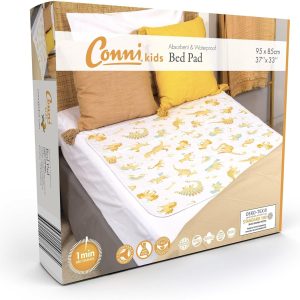
The first thing I noticed when we began using the reusable bed pad was how different it felt from the disposable alternatives we had tried previously. The fabric was soft against the skin, without the plastic-like texture that often made other products uncomfortable. Our child, who had previously protested against any form of bed protection, actually seemed to like the feel of it, which was a significant victory in itself. The unicorn design we chose became something they looked forward to seeing at bedtime, transforming what could have been a source of anxiety into a positive part of their routine. I observed that the pad stayed securely in place throughout the night, even with our child’s frequent tossing and turning, which meant we didn’t have to worry about repositioning it multiple times.
When accidents did occur, which they still did frequently in the beginning, the pad performed exactly as needed. The moisture was absorbed quickly, keeping the surface relatively dry and preventing our child from waking up soaked and uncomfortable. More importantly, the watrproof backing worked effectively to protect the sheets and mattress beneath, meaning we could simply remove the pad for washing rather than having to strip and remake the entire bed in the middle of the night. This made the cleanup process significantly less disruptive for everyone. I also noticed that the pad dried relatively quickly after washing, which was important given how often we needed to use it. The durability surprised me as well – after multiple washes, the absorbency and waterproof qualities remained consistent, and the colors of the design didn’t fade as I had expected they might.
Over time, I began to notice patterns in when accidents were more or less likely to occur, and the bed pad allowed us to navigate this learning curve without the constant stress of laundry and disrupted sleep. On nights when our child had more fluids before bed or was particularly tired, we could use the pad with confidence knowing that even if an accident happened, it wouldn’t mean hours of cleanup. This reduced the anxiety around bedtime for all of us, as we no longer had to approach each night with the expectation of potential mess. The pad became part of our routine rather than an emergency measure, which changed the entire dynamic of how we managed toilet training.
Reflection
Looking back on our toilet training journey, I realize now that the bed pad represented more than just practical protection – it became a tool that helped normalize the process and reduce the stress associated with this developmental stage. At the time, I didn’t fully appreciate how much the psychological aspects of toilet training influenced both our child’s progress and our own approach to managing it. The fact that the pad felt like regular bedding rather than a medical or babyish product made our child more willing to use it, which in turn made the entire process smoother. I’ve come to understand that products designed for children’s needs work best when they respect the child’s dignity and comfort, not just address practical concerns.
I also reflect on how our perspective changed regarding what constitutes successful toilet training. Initially, I measured success solely by the absence of accidents, which created unnecessary pressure for everyone. The bed pad allowed us to shift our focus to gradual progress rather than perfection, recognizing that occasional accidents are a normal part of the learning process. This more patient approach ultimately served our child better, as they felt supported rather than pressured during this transition. The pad provided a safety net that allowed for mistakes without consequences that disrupted sleep or created embarrassment, which I believe contributed to our child developing confidence in their own abilities.
Another aspect I’ve reflected on is the environmental consideration of reusable versus disposable products. While this wasn’t our primary motivation initially, the reduction in waste became increasingly important to us as we continued using the pad. Knowing that we weren’t contributing to landfill with single-use products aligned with our family’s growing environmental consciousness. The durability of the pad meant it could be used repeatedly without degradation in performance, which made the initial investment worthwhile from both practical and ecological perspectives. This experience has influenced how we approach other child-rearing challenges, looking for solutions that balance immediate needs with longer-term considerations.
The experience also taught me about the importance of products that grow with a child’s needs. While we primarily used the bed pad for toilet training, its utility extended beyond this specific phase. During illnesses or particularly stressful periods when regression occurred, having the pad available provided continuity and security. This versatility made it more valuable than a product designed for a single purpose, and I appreciate how it adapted to our changing needs over time. It’s these small, thoughtful design elements that often make the biggest difference in everyday parenting challenges.
Conclusion
Our journey with toilet training taught us that the right tools can transform challenging developmental stages into manageable, even positive experiences. The reusable bed pad became an integral part of our approach, providing practical protection while supporting our child’s emotional comfort throughout the process. What began as a solution to a specific problem – nighttime accidents – evolved into something that helped reshape our entire perspective on this milestone. The combination of effective absorbency, reliable waterproof protection, and child-friendly design created a product that worked with our family’s needs rather than against them.
The experience reinforced my belief that the most helpful products for parenting challenges are those that address both practical and emotional needs simultaneously. Something as simple as a fun design can make a significant difference in a child’s willingness to use a product, while technical features like quick absorption and leak prevention provide the practical support parents need. Finding this balance is what separates products that merely function from those that genuinely help families navigate challenging phases. Our toilet training journey, supported by the right tools and a patient approach, eventually reached its natural conclusion, but the lessons we learned about managing developmental transitions continue to inform our parenting approach with other challenges.
Looking back, I’m grateful for products that understand the complexities of family life and provide solutions that respect both practical realities and emotional needs. The bed pad represented one of those solutions for us – not as a magic fix, but as a supportive tool that made a challenging phase more manageable for everyone involved. It’s these small supports that often make the biggest difference in the daily experience of parenting, turning potential sources of stress into manageable aspects of the journey. As our family continues to navigate various stages and challenges, we carry forward the understanding that the right tools, combined with patience and perspective, can transform even the most difficult phases into opportunities for growth and connection.
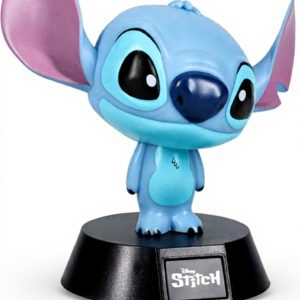 Disney Stitch Icon Light - LED Night Light for Kids